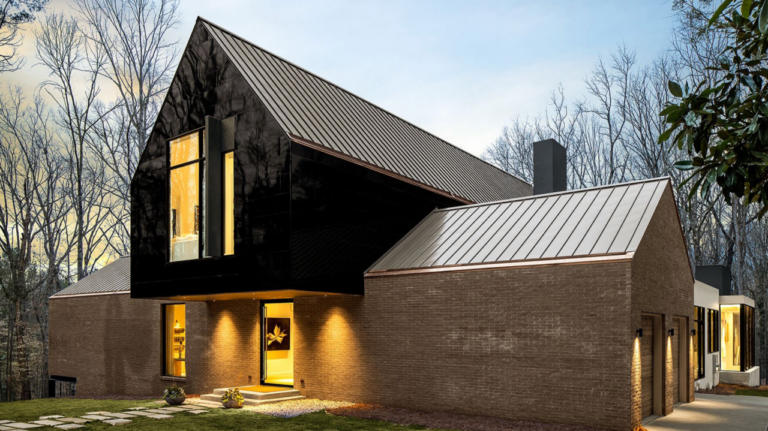

Andersen Fibrex® Windows vs. Vinyl: What We Saw at the Factory—and What It Means for Your Home
Primary SEO Keywords
- Andersen Fibrex windows review
- Fiberglass vs vinyl windows pros and cons
- Best windows for custom homes Washington
- Window performance Columbia River Gorge
- Energy efficient windows PNW
A Look Behind the Window
Most people choose windows the same way they choose finishes.
Color. Style. Maybe brand recognition.
But a window isn’t just what you see. It’s what it holds—structurally, thermally, and over time.
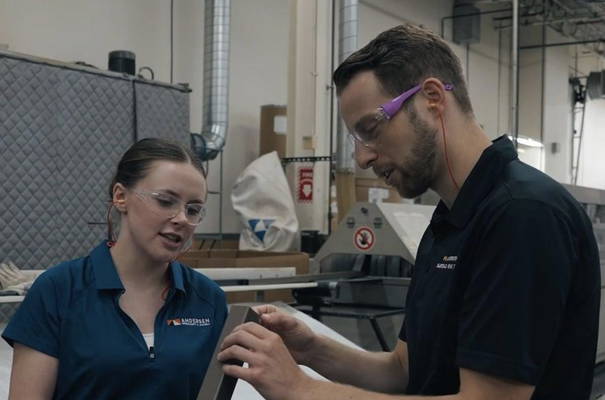
We recently spent time at the Andersen Windows & Doors facility in Goodyear, Arizona, walking the production line and looking closely at their Fibrex® composite material.
And it changes how you think about what a window really is.
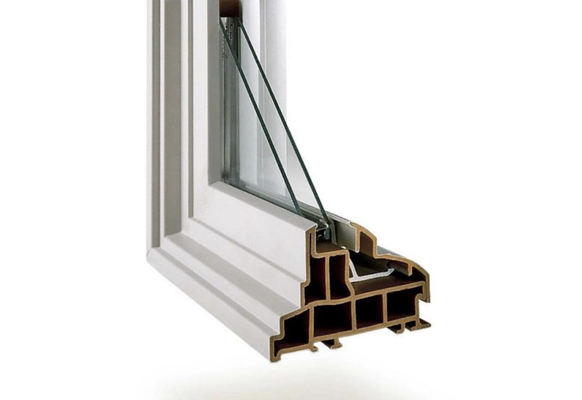
What Is Fibrex®?
Fibrex® is Andersen’s proprietary composite—a blend of:
- Reclaimed wood fiber
- Thermoplastic polymer
The result is a material that sits somewhere between wood and fiberglass, engineered for stability and durability.
Not pure plastic. Not traditional wood.
Something in between.
And that “in between” is where most of the performance lives.
Why It Matters (Especially in the PNW)
In regions like the Columbia River Gorge and across Washington State, windows don’t just sit in a wall.
They deal with:
- Temperature swings
- Wind pressure
- Moisture exposure
- UV over time
A window frame expands, contracts, flexes—or resists it.
And that movement is often what defines long-term performance.
Fibrex® Windows – The Pros
1. Structural Stability
Fibrex® expands significantly less than vinyl.
That means:
- Tighter seals over time
- Less stress on glass units
- Better long-term performance
In large window openings—common in Gorge homes—this matters.
A lot.
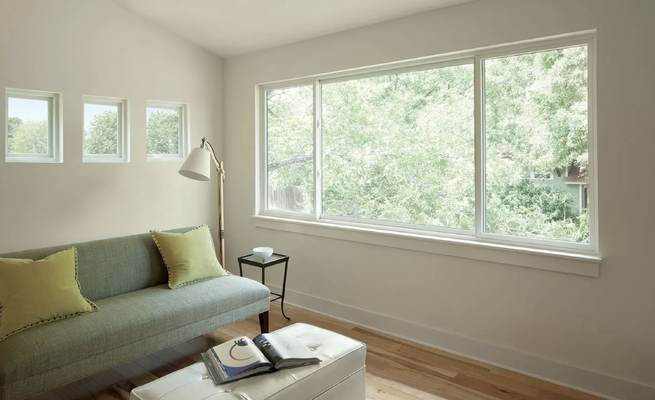
2. Strength for Bigger Glass
Because of its rigidity, Fibrex® allows:
- Thinner frames
- Larger glass areas
- More natural light
Which is often the goal in custom homes designed around views.
3. Durability Over Time
Unlike vinyl, Fibrex®:
- Doesn’t become brittle as quickly
- Holds shape under temperature stress
- Resists warping
It behaves more like a structural material than a flexible one.
4. Sustainability Angle
- Uses reclaimed wood fiber
- Lower raw vinyl content
- Longer lifecycle
Not marketing fluff—you can see it in how it’s produced.
Fibrex® Windows – The Cons
1. Cost
Fibrex® windows typically cost more than vinyl.
Not marginally—noticeably.
But that cost is tied to performance and longevity, not just branding.
2. Less Flexibility in Field Modifications
Vinyl is easier to cut, adjust, and manipulate on-site.
Fibrex® is more rigid—which is good for performance, but less forgiving during install if openings aren’t precise.
3. Repair vs Replacement
With vinyl, minor damage is sometimes easier to patch.
Composite systems tend to push toward component replacement instead of repair.
Vinyl Windows – Where They Still Make Sense
Vinyl isn’t a bad product. It’s just a different one.
Pros:
- Lower upfront cost
- Widely available
- Easier install tolerance
Cons:
- Higher thermal expansion
- Potential for long-term warping
- Thicker frames (less glass, more plastic)
- Shorter lifecycle in harsher environments
Vinyl works well in:
- Budget-conscious builds
- Rental or short-term hold properties
- Simpler projects without large openings
Where We See the Difference in the Field
This isn’t theoretical.
In custom homes—especially in the White Salmon, Hood River, and Gorge area—we see the difference over time:
- Seal failures
- Frame movement
- Visible distortion in larger openings
Windows are one of those components where the cost difference shows up years later, not day one.
So, Which One Should You Choose?
It comes down to priorities.
If the goal is:
- Lowest upfront cost → vinyl is still viable
- Long-term performance, larger openings, and durability → Fibrex® becomes the better tool
Not because it’s newer. Because it behaves differently under stress.
Final Thought
A window isn’t just a frame holding glass.
It’s a moving part in a static wall.
And over time, the materials either fight that movement—or work with it.
Fibrex® leans toward control. Vinyl leans toward flexibility.
Neither is wrong.
But they’re not the same.