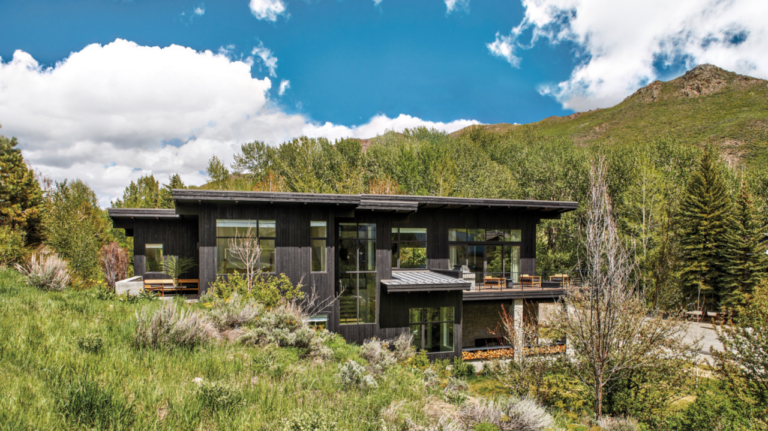
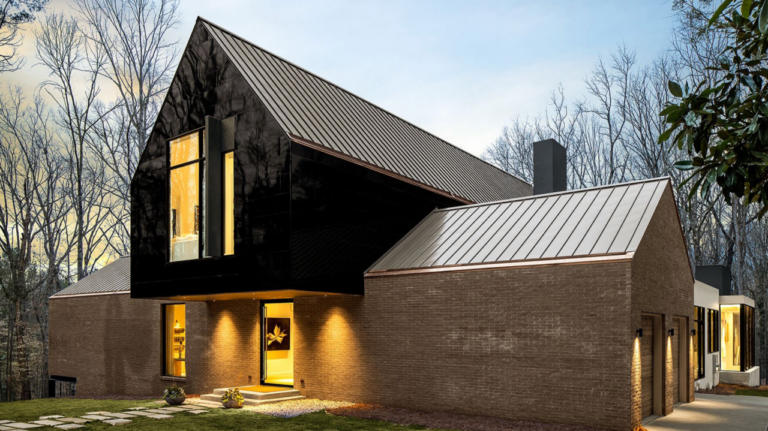
For decades, cedar siding was the default choice for homes across the Pacific Northwest. Ask any builder in the Columbia River Gorge why, and you’ll hear the same answer: it looked right, it fit the landscape, and every crew knew how to install it.
But walk a job site today and the conversation has shifted. More homeowners are asking about fiber cement siding before cedar ever comes up.
So is cedar still the standard, or just the material everyone defaulted to because it was what was available? Here’s the honest answer, from a builder’s perspective.
Cedar Built Its Reputation on Looks, Not Performance
Cedar earned its place through natural beauty, regional identity, and workability. It’s easy to cut, easy to shape, and it photographs well on every custom home listing in the Gorge.
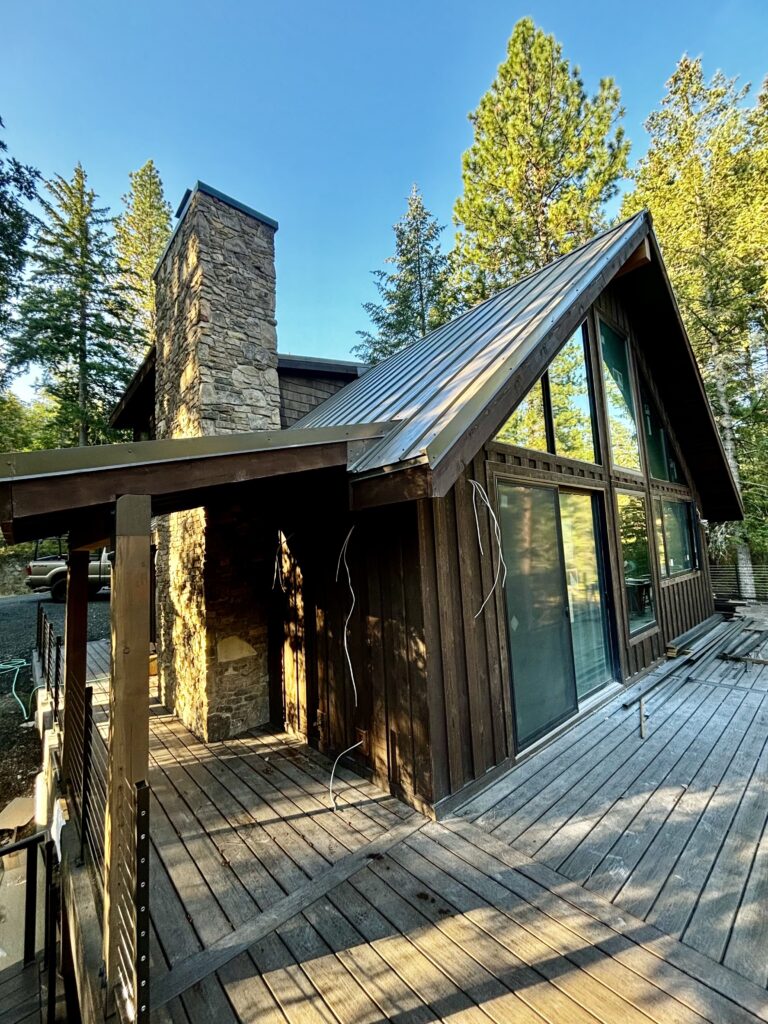
But talk to anyone who’s maintained it and you’ll get a different story. Cedar needs regular repainting and sealing to hold up. It’s vulnerable to moisture in a climate that gives us plenty of it. Its long-term performance depends almost entirely on how well an owner keeps up with maintenance.
Cedar was never a durable system on its own. It was a material you had to manage, year after year.
Why Builders Are Recommending Fiber Cement Siding Now?
The industry didn’t move away from cedar because of style. It moved because cedar kept failing on durability and lifecycle performance, especially in wet climates like ours.
Vinyl was the first real attempt to solve the maintenance problem. Fiber cement and engineered wood refined it. Today, siding decisions come down to moisture resistance, fire performance, dimensional stability, and how often a homeowner has to touch it up.
Cedar vs. Fiber Cement Siding at a Glance
Here’s how the two materials actually stack up once you look past the surface.
| Feature | Cedar Siding | Fiber Cement Siding |
|---|---|---|
| Maintenance | Repainting or staining every 3 to 5 years | Repainting every 15+ years, no sealing required |
| Moisture Resistance | Prone to swelling, rot, and insect damage without upkeep | Engineered to resist and drain moisture |
| Fire Resistance | Combustible, needs added fire treatment | Naturally noncombustible |
| Typical Lifespan | 20 to 30 years with consistent maintenance | 30 to 50 years with minimal upkeep |
| Upfront Cost | Lower material cost, higher lifetime cost | Higher material cost, lower lifetime cost |
| Style Options | Natural wood grain, traditional look | Wood-look panels, board-and-batten, and architectural finishes like IndustrialBlock or MIRAIA |
The Rise of the Rainscreen Siding System
Modern fiber cement is usually installed as a drained, back-ventilated assembly, what’s known as a rainscreen siding system. Instead of just resisting water, it actively manages it, giving moisture somewhere to go before it ever reaches your sheathing.
For a home in the Gorge, where wind-driven rain is a real design consideration, that’s not a minor upgrade. It’s the difference between a wall assembly that dries out and one that slowly rots behind a beautiful facade.
Cedar Siding Alternatives That Actually Perform Here
If you love the look of wood but not the upkeep, you have real options now. Fiber cement panels replicate the grain and texture of cedar closely enough that most people can’t tell the difference from the curb. Engineered wood products close the gap even further.
These are the low maintenance siding options most of our clients land on once they see the full picture: similar aesthetics, a fraction of the repainting, and a system built to handle decades of Gorge weather instead of just a few seasons.
If you’re planning a build and want a straight answer on what makes sense for your project and your budget, Get Your Free Siding Consultation before you lock in your plans.
When Siding Becomes Architecture?
Once durability stopped being the question, a new one showed up: what should the building look like, and can the material still perform?
Panel systems like Nichiha’s IndustrialBlock give you a concrete look without the weight or cracking, installed as a panelized rainscreen with clean, modular lines that work inside and out. Products like MIRAIA take it further, with a high-gloss, reflective finish that reads like metal or glass while still functioning as fiber cement. Neither of these is traditional siding anymore. They’re facade design.
Homes are borrowing from commercial and urban buildings in a way that would have looked out of place ten years ago. For homeowners weighing the best siding for Pacific Northwest conditions, that combination of performance and design flexibility is exactly why fiber cement has taken over so much market share.
Three Forces Every Build Has to Balance Now
Durability isn’t negotiable: long lifecycle, low maintenance, and real performance in harsh, wet climates. System integration matters just as much: rainscreens, continuous insulation, and envelope-first thinking instead of siding as an afterthought. And architectural identity rounds it out: panelization, mixed materials, and finishes with intention behind them, not just whatever was on sale.
So, Is Cedar Still King?
Cedar still has its place, and it always will for homeowners who want that specific look and are willing to maintain it. But it represents a different era of building.
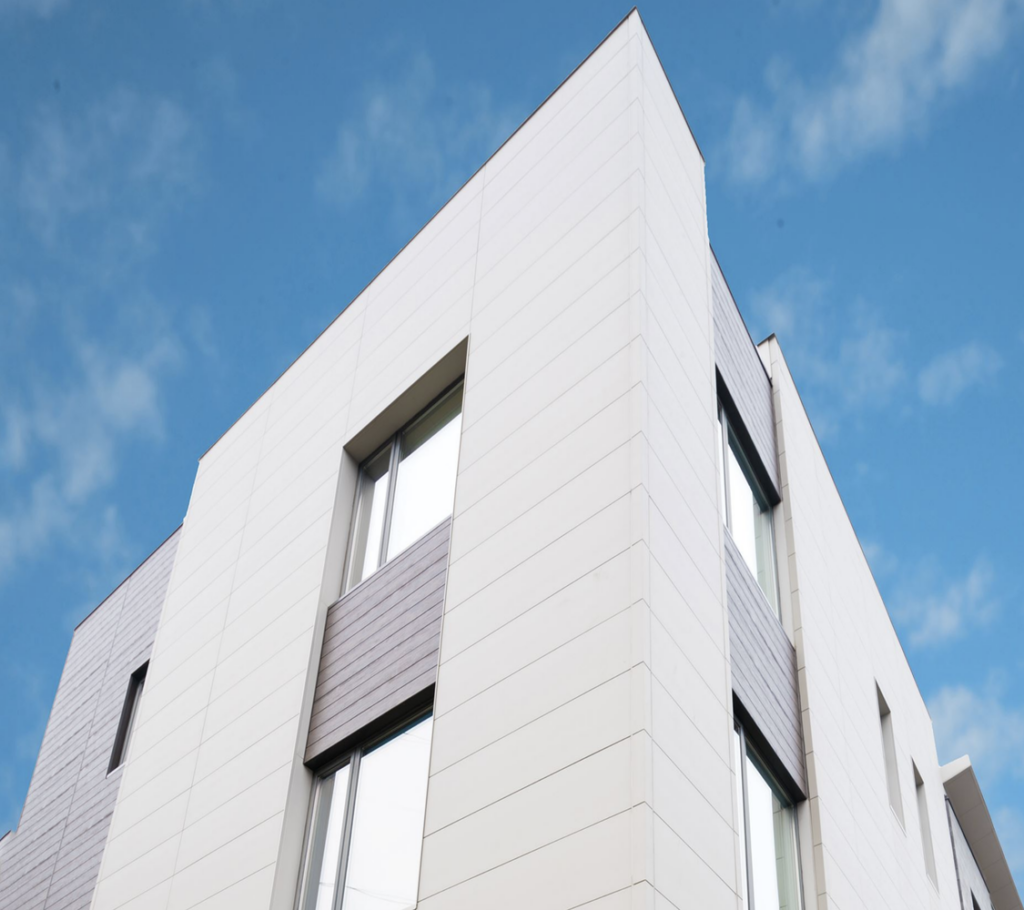
Today’s homes ask for more: better performance, a longer lifespan, and a stronger design identity from day one. The builders who understand both durability and where design is heading are the ones delivering homes that hold up, and stand out, for decades.
Frequently Asked Questions
What is a rainscreen siding system, and why does it matter?
A rainscreen siding system creates a small air gap and drainage path behind the siding, so water that gets past the surface can drain and dry out instead of soaking into the wall. It’s especially important in wet climates like the Gorge, where wind-driven rain puts constant pressure on a home’s exterior.
How is fiber cement siding different from cedar siding?
Fiber cement is engineered from cement, sand, and cellulose fibers to resist moisture, fire, and warping far better than natural wood. Cedar looks and feels more traditional, but it needs regular sealing and repainting to perform anywhere close to what fiber cement does with minimal upkeep.
Why are homeowners moving away from cedar siding?
Most homeowners don’t leave cedar because they stop liking it. They leave because they’re tired of repainting every few years and dealing with moisture damage in a climate that doesn’t let up. Fiber cement and engineered wood solve that problem without giving up the wood-look aesthetic entirely.
How long does fiber cement siding last compared to cedar?
With proper installation, fiber cement siding typically holds up for 30 to 50 years with far less maintenance than cedar. Cedar can last a long time too, but only with consistent repainting, sealing, and moisture management along the way.
Are there low maintenance siding options that still look like real wood?
Yes. Modern fiber cement panels are milled with realistic wood grain and texture, and from the street most people can’t tell them apart from cedar. You get the traditional look with a fraction of the ongoing upkeep.
What makes Nichiha panels different from standard fiber cement siding?
Nichiha’s panel systems, like IndustrialBlock and MIRAIA, go beyond a basic board-and-batten look. They’re installed as full panelized rainscreen assemblies and come in finishes that mimic concrete or high-gloss metal, giving a home a more architectural, less traditional exterior.
Does the Pacific Northwest climate really change which siding is best?
It does. Constant rain, humidity swings, and wind-driven moisture make drainage and dimensional stability far more important here than in drier regions. That’s a big part of why fiber cement and rainscreen systems have become the default recommendation for builders in the Gorge.
If cedar’s maintenance has worn you down or you’re planning a new build and want siding that performs as well as it looks, Schedule Your Free Consultation Today and we’ll walk you through what actually makes sense for your home.
Quad Construction is a custom home builder based in White Salmon, WA. We have built homes throughout the Columbia River Gorge for over a decade.